
Fiberglass
Silicone Fiberglass Sleeving for OEM Applications
High-temperature insulating sleeving made from fiberglass braid with silicone composite coating, available by inside diameter, wall grade, color, packing format and cut length.
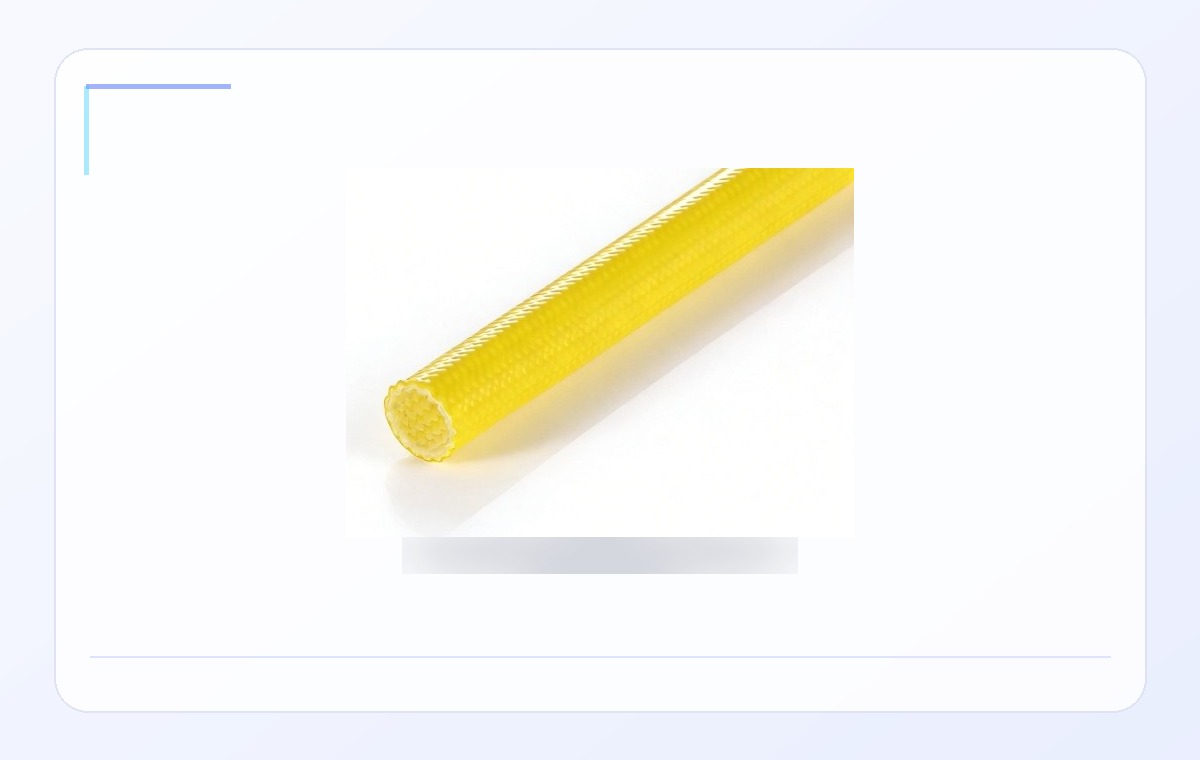 Fiberglass
Typical technical parameters
- Material
- Fiberglass braid with silicone composite coating
- Temperature range
- -60 C to 200 C
- Voltage / insulation
- UL E233804 / E233803, 200 C 600 V; Grade A/B/C wall options
- Size range
- ID 0.5-35.0 mm
- Structure
- Silicone coated fiberglass sleeving
| Inside diameter range | Tolerance | Grade A wall | Grade B wall | Grade C wall |
|---|---|---|---|---|
| 0.5-2.0 mm | +0.20 / -0.00 | 0.45±0.05 | 0.40±0.05 | 0.35±0.05 |
| 2.5-3.0 mm | +0.25 / -0.00 | 0.50±0.05 | 0.40±0.05 | 0.35±0.05 |
| 3.5-5.0 mm | +0.35 / -0.00 | 0.55±0.05 | 0.50±0.05 | 0.42±0.05 |
| 6.0-9.0 mm | +0.50 / -0.00 | 0.60±0.05 | 0.55±0.05 | 0.45±0.05 |
| 10.0-12.0 mm | +0.70 / -0.00 | 0.65±0.05 | 0.60±0.05 | 0.53±0.05 |
| 13.0-20.0 mm | +0.80 / -0.00 | 0.70±0.05 | 0.65±0.05 | 0.56±0.05 |
| 22.0-35.0 mm | +0.90 / -0.00 | 1.05±0.05 | 1.00±0.05 | 0.70±0.05 |
| Catalog notes | Value |
|---|---|
| UL file | E233804 / E233803 |
| Rating | 200 C, 600 V |
| Color | Standard white; other colors made to order |
| Supply | Coils, spools or lengths at manufacturer option |
Note: Values are typical reference ranges. Final specification can be confirmed by sample testing, drawings and customer standards.
Key features
- Superior moisture, heat and radiation resistance
- Flexible product for sharp bends
- Available in coils, spools or cut lengths; standard white, custom colors
Typical applications
- Electric motors and equipment leads
- Relay leads and heating cable
- Aerospace and atomic energy applications
Manufacturer guide
Silicone Fiberglass Sleeving Manufacturer | High Temperature Electrical Insulation Sleeves
WCW Flex supplies silicone fiberglass sleeving for OEM projects that need heat-resistant electrical insulation, flexible routing and production-ready documentation. The sleeve is built from braided fiberglass yarn with a silicone coating, then supplied by inside diameter, wall grade, color, packing and cut length according to the drawing or approval sample.
Specification checklist for RFQ and approval
| Selection item | Typical reference | Why it matters |
|---|---|---|
| Inside diameter | ID 0.5-35.0 mm | Controls fit over lead wires, terminals, harness branches and coil exits. |
| Wall grade | Grade A / B / C wall options | Balances dielectric margin, flexibility, outside diameter and cost. |
| Temperature rating | -60 C to +200 C typical | Matches motor, transformer, heater, inverter and appliance thermal zones. |
| Voltage requirement | 600 V class when specified | Used for electrical insulation approval and customer drawing review. |
| Flame retardancy | VW-1 option where applicable | Supports appliance, power supply and harness safety requirements. |
| Compliance documents | UL file reference, RoHS, REACH, material data | Helps quality teams complete supplier approval and incoming inspection. |
| Supply format | Coils, spools, cut lengths, custom color | Improves assembly efficiency and line-side identification. |
How to choose the right sleeving
- Measure the maximum wire, solder joint or terminal diameter, then add assembly clearance for pulling the sleeve through bends.
- Confirm the working temperature, peak temperature and whether the sleeve touches hot metal, winding varnish, heater wire or moving parts.
- Select the wall grade based on dielectric strength, bend radius, outside diameter and abrasion exposure.
- Check the drawing for UL, VW-1, RoHS, REACH, color, printing, packing and cut-length requirements.
- Approve a sample under the same routing path, bend radius, cable bundle size and heat aging conditions used in production.
Common application scenarios
- Motor lead wire insulation, stator exits, coil lead protection and winding connection points.
- Transformer, inductor, relay and power supply lead wire insulation where heat and dielectric stability matter.
- EV battery packs, inverter wiring, charger modules and high-temperature harness branches.
- Home appliances, heating equipment, lighting fixtures and industrial control cabinets.
- Rail, aerospace, marine and renewable energy projects that require traceable insulation material support.
What to send for a fast quotation
- Inside diameter, length or spool packing, color and expected annual quantity.
- Voltage, temperature, flame-retardant and compliance requirements from the drawing.
- Application photos or routing notes, especially around bends, terminals and heat sources.
- Requested documents such as RoHS, REACH, material data, UL reference and inspection report format.
Request silicone fiberglass sleeving samples Open printable datasheet
Silicone fiberglass sleeving compared with nearby insulation materials
| Material | Best fit | Typical tradeoff | Related page |
|---|---|---|---|
| Silicone fiberglass sleeving | High-temperature electrical insulation with flexible routing. | Not a shrink product; fit is selected by ID and wall grade. | This main page |
| Silicone rubber fiberglass sleeving | Projects needing extra flexibility and mechanical surface protection. | May have a thicker feel depending on coating and wall grade. | Compare rubber coated sleeve |
| Heat shrink tubing | Sealing, strain relief, marking and terminal protection after shrink recovery. | Requires heat shrinking and is less suited to repeated high-temperature flexing. | View heat shrink tubing |
| PTFE tubing | Chemical resistance, low friction routing and clean fluid or wire passage. | Different feel and assembly method; not a textile sleeve. | View PTFE tubing |
| PET braided sleeving | Abrasion protection and expandable harness covering. | Lower heat class than silicone coated fiberglass insulation. | View PET braided sleeving |
FAQ for silicone fiberglass sleeving buyers
Is silicone fiberglass sleeving the same as heat shrink tubing?
No. Silicone fiberglass sleeving is a flexible insulating sleeve selected by inside diameter and wall grade. Heat shrink tubing is recovered by heat and is usually selected for sealing, marking and strain relief.
Can the sleeve support UL, VW-1, RoHS and REACH requirements?
Applicable grades can be supported with UL file reference, VW-1 flame-retardant requirements and RoHS or REACH documents. The final document package should be confirmed before sample approval.
What size should I choose for motor lead wires?
Select the inside diameter after measuring the largest wire, solder joint or terminal area. Add enough clearance for installation, bends and any varnish or sleeving overlap.
Can WCW Flex supply custom color, printing or cut lengths?
Yes. Standard white is common, and custom colors, spools, coils, cut lengths and packing formats can be discussed according to project quantity and approval needs.
What information helps your team quote faster?
Send ID, wall grade or voltage class, temperature requirement, color, length, annual usage, application photos and any drawing notes for UL, VW-1, RoHS or REACH.