Fiberglass
Silicone Fiberglass Sleeving
High-temperature electrical insulation for motors, transformers, harnesses and power systems.
Fiberglass
Silicone Fiberglass Sleeving
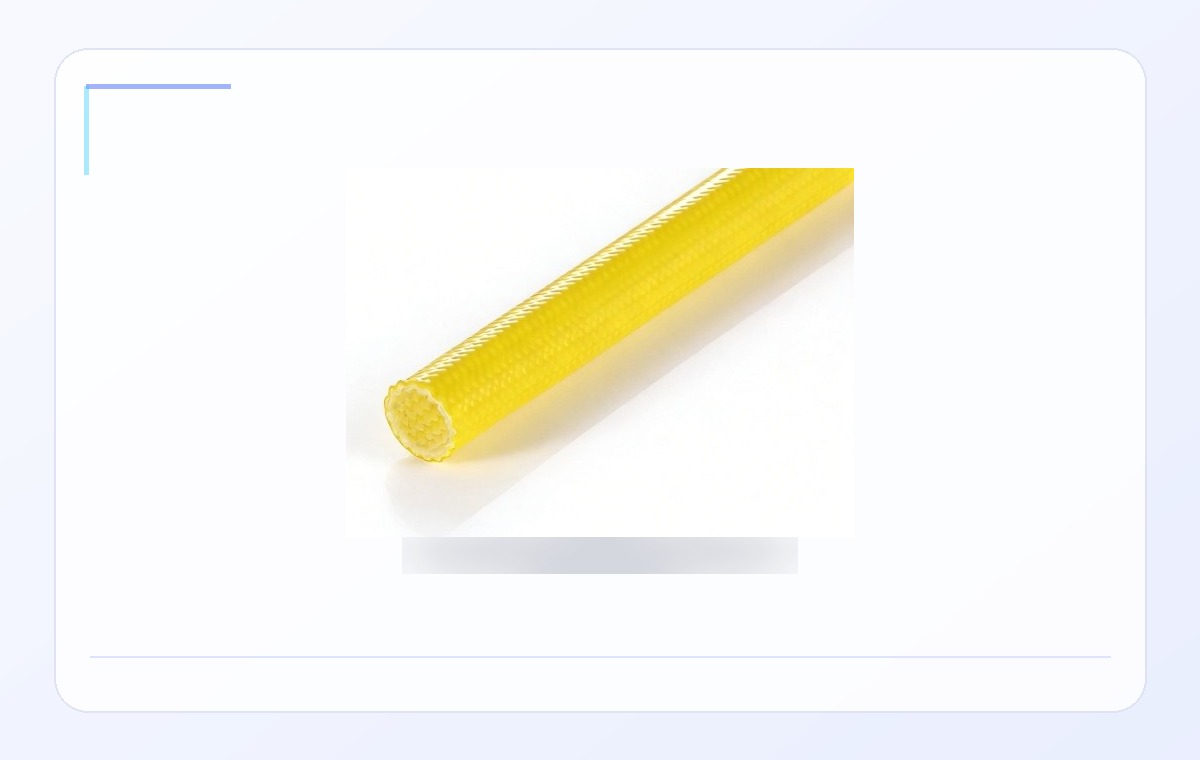
Silicone fiberglass sleeving for high-temperature electrical insulation, abrasion control and stable routing in motors, transformers, wire harnesses and power systems.
 Fiberglass
Typical Parameters
| Parameter | Typical value |
|---|
| Material | Fiberglass braid with silicone composite coating |
|---|
| Working temperature | -60 C to 200 C |
|---|
| Voltage / dielectric | UL E233804 / E233803, 200 C 600 V; Grade A/B/C wall options |
|---|
| Size range | ID 0.5-35.0 mm |
|---|
| Structure | Silicone coated fiberglass sleeving |
|---|
OEM note: Detailed size table, validation data and custom packing can be confirmed by project.
Why this product
- Designed for silicone fiberglass sleeving projects that need durable high-temperature electrical insulation.
- Helps OEM teams balance dielectric performance, flexibility, wall grade and harness routing constraints.
- Suitable for engineering validation, sourcing comparison and export sample approval.
Typical applications
- Motor lead wires, transformer leads and coil insulation
- Automotive, EV and wire harness protection around hot zones
- Power distribution, inverter and industrial electrical insulation assemblies
Frequently Asked Questions
Frequently Asked Questions
What is silicone fiberglass sleeving used for?
Silicone fiberglass sleeving is commonly used to protect and insulate motor leads, transformer leads, appliance wiring and industrial electrical routes where heat, abrasion and flexibility must be considered together.
When should I choose silicone fiberglass sleeving instead of heat shrink tubing?
Choose silicone fiberglass sleeving when the part needs flexible routed insulation without heat recovery. Choose heat shrink tubing when the design needs a tight recovered cover, marking, sealing or terminal strain relief.
What details should I send before requesting samples?
Send the protected part, inner diameter, wall requirement, temperature, voltage, routing movement, color, length and any customer validation or document requirements.
What temperature range can silicone fiberglass sleeving withstand?
WCW Flex silicone fiberglass sleeving is rated for -60 C to 200 C with a UL temperature class of 200 C 600 V under UL File E233804. The actual operating temperature depends on the product model, wall grade (Grade A, B or C), and whether the exposure is continuous or peak. For temperatures above 200 C, high-temperature special fiberglass sleeving may be considered.
What is the difference between silicone fiberglass sleeving and silicone rubber fiberglass sleeving?
Silicone fiberglass sleeving is a braided fiberglass tube with a silicone composite coating, offering good flexibility and dielectric performance at 200 C. Silicone rubber fiberglass sleeving has a thicker silicone rubber extrusion over the fiberglass braid, providing higher dielectric strength, better moisture resistance and heavier wall construction. Both use UL recognized fiberglass braid under UL File E233804 and E233803, but the coating process and wall thickness differ.
Can silicone fiberglass sleeving be used for EV and automotive wire harness protection?
Yes. Silicone fiberglass sleeving is commonly used in EV and automotive harnesses around motor leads, inverter connections and hot zones where the 200 C temperature class and 600 V dielectric rating are needed. For IATF 16949 automotive projects, confirm the PPAP documentation, IMDS material data and customer validation requirements with the supplier before production.