Fiberglass
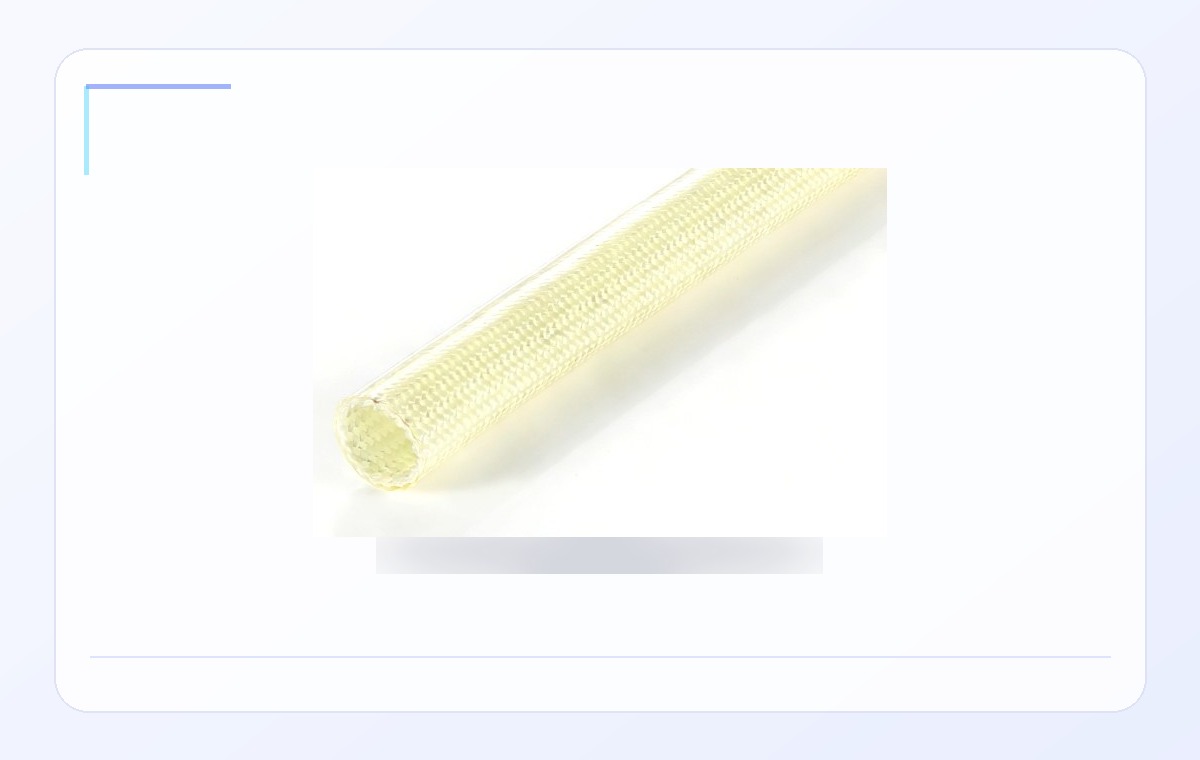
Acrylic Resin Fiberglass Sleeving
Electrical insulation sleeving for coils, appliances, motors and power components.
Fiberglass
Acrylic Resin Fiberglass Sleeving
Electrical insulation sleeving for coils, appliances, motors and power components.
 Fiberglass
Typical Parameters
| Parameter | Typical value |
|---|
| Material | Non-alkali fiberglass braid with acrylic resin coating |
|---|
| Working temperature | 155 C rating |
|---|
| Voltage / dielectric | UL E233803, 155 C 600 V |
|---|
| Size range | ID 0.5-25.0 mm |
|---|
| Structure | Acrylic coated fiberglass sleeving |
|---|
OEM note: Detailed size table, validation data and custom packing can be confirmed by project.
Why this product
- Supports OEM insulation, protection and routing requirements.
- Suitable for sourcing, engineering validation and sample review.
- Can be matched with your application temperature, voltage and routing needs.
Typical applications
- Automotive and EV electrical systems
- Motors, transformers and industrial equipment
- Wire harness, appliance and custom assembly projects
Frequently Asked Questions
Frequently Asked Questions
What is Acrylic Resin Fiberglass Sleeving used for?
Acrylic Resin Fiberglass Sleeving is used for electrical insulation and routed protection where heat, flexibility, abrasion or assembly constraints need to be reviewed together.
How do I choose the right Acrylic Resin Fiberglass Sleeving?
Confirm inner diameter, wall requirement, temperature, voltage, movement, abrasion, oil or chemical exposure and the customer validation document requirement.
What details help WCW Flex recommend samples?
Share the protected part, application photo or drawing, dimensions, color, cut length, packing requirement and any required test or compliance evidence.
What temperature class is acrylic resin fiberglass sleeving rated for?
WCW Flex acrylic resin fiberglass sleeving is rated for a 155 C temperature class with 600 V dielectric rating under UL File E233803. It is designed for cost-sensitive appliance and general-purpose electrical insulation where the operating temperature stays within the 155 C class limit.
When should I choose acrylic resin sleeving instead of silicone fiberglass sleeving?
Choose acrylic resin fiberglass sleeving when the operating temperature does not exceed 155 C and cost efficiency is a priority. Choose silicone fiberglass sleeving when higher continuous temperature (200 C), better moisture resistance and superior flexibility are required. Both constructions use UL recognized fiberglass braid, but the coating resin and temperature class differ.
What applications use acrylic resin fiberglass sleeving?
Acrylic resin fiberglass sleeving is commonly used in household appliances, lighting fixtures, small motors and general electrical equipment where the 155 C temperature class is sufficient. It provides dielectric insulation and abrasion protection for lead wires and internal connections at a lower cost than silicone-coated grades.